LTL freight services
Less Than Truckload Shipping
The right amount of space for the freight you have.
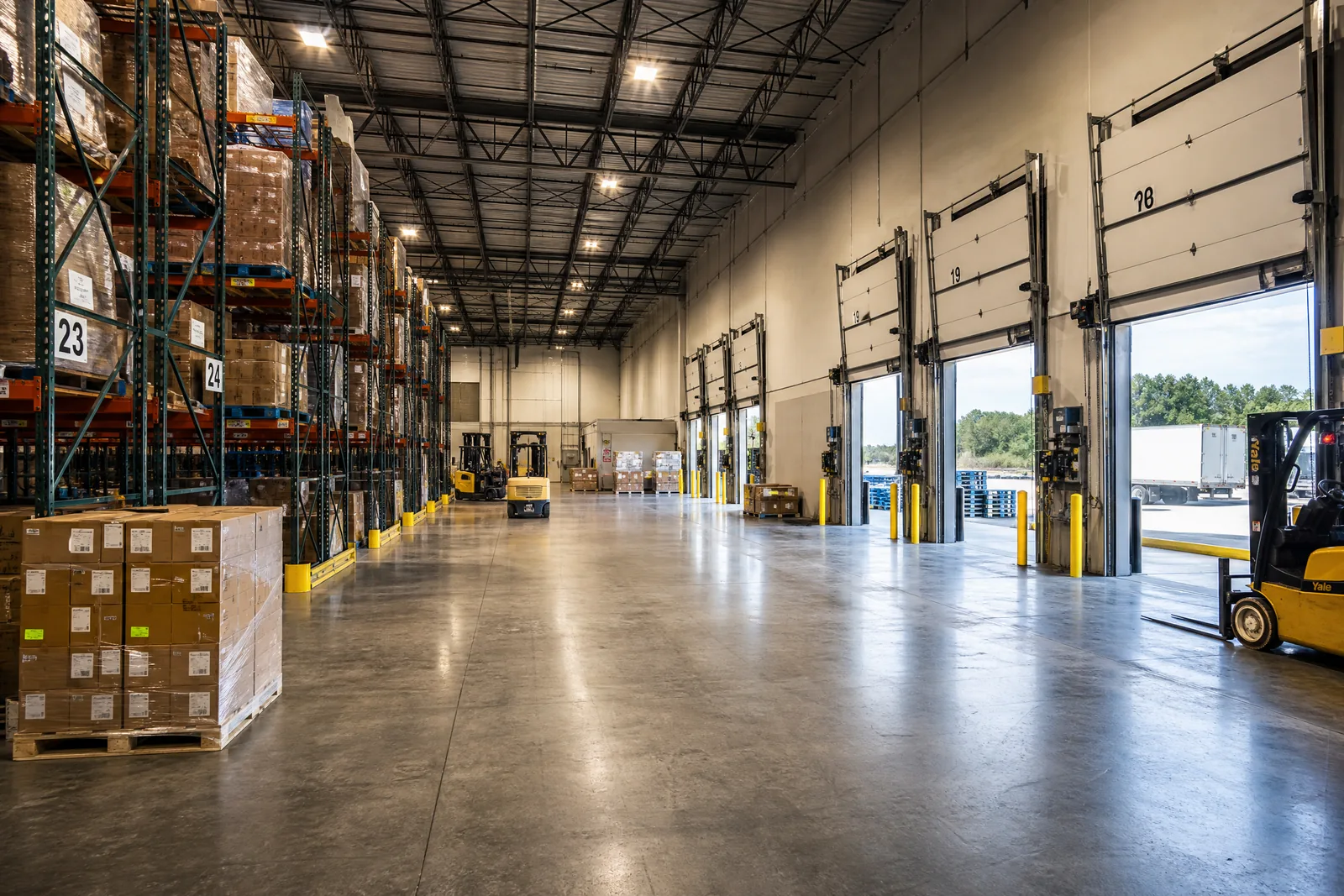
How Less Than Truckload Shipping fits your operation
Less than truckload shipping is a practical option when your freight does not fill an entire trailer. Transend helps you choose the right provider, manage the paperwork, and work through the day-to-day details that affect cost and service.
Best for
- Palletized freight that does not need a full trailer
- Regular shipments with volume or expedited options
- Companies that need LTL carrier guidance
- Specialized handling to satisfy any pickup or delivery requirement
What Transend coordinates
- National LTL carrier capacity
- Volume and expedited options
- BOL creation
- Claims management support
- Freight audit oversight
- Carrier selection guidance
Working with Transend
Review the freight
We look at class, dimensions, timing, and service needs to identify the best LTL path.
Select the carrier
We match the move to a provider with the right strengths for the lane and the shipment.
Keep the paperwork moving
We support BOL preparation, tracking, claims coordination, and audit review.
Frequently asked questions about Less Than Truckload Shipping
What is LTL shipping?
LTL shipping is used when a shipment uses part of a trailer instead of the whole trailer. Multiple shippers share the equipment, and pricing is based on the freight and the service needed.
When is LTL a good fit?
LTL is often a good fit for palletized freight that does not need a full truckload and can move through a carrier terminal network.
Can Transend help with LTL claims and paperwork?
Yes. We support BOL preparation, freight audit review, and claims management to help your team stay organized.
Related freight services
- Freight Consolidation: A smarter path for larger LTL shipments.
- Dry Van Truckload: The everyday workhorse, handled with care.
- Refrigerated Shipping: A careful eye on every degree and every mile.
Talk through your freight
Speak with Transend about less than truckload shipping and the next move in your supply chain.